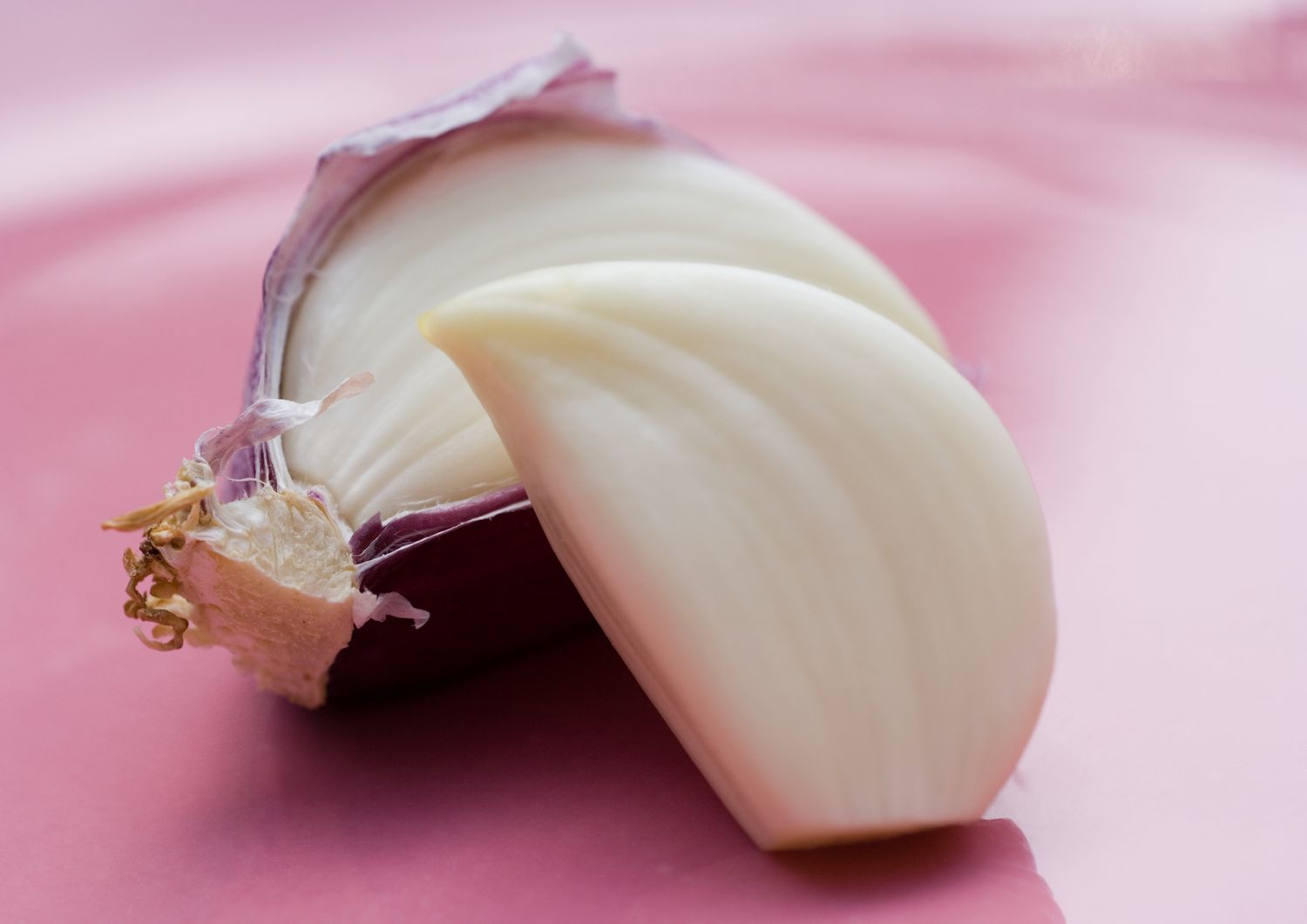
Unlock Effortless Garlic Peeling: Principles & Top Techniques
Garlic is a culinary cornerstone, an indispensable ingredient that elevates countless dishes, from aromatic stir-fries and hearty soups to zesty marinades and rich sauces. Its pungent, savory notes transform the ordinary into the extraordinary. Yet, for many home cooks, the journey from whole garlic bulb to ready-to-use cloves is often punctuated by a common frustration: peeling the papery skins. These thin, clingy coverings can make prep work messy, time-consuming, and frankly, a bit annoying.
But what if we told you that wrestling with stubborn garlic skins could become a thing of the past? You don't need specialized gadgets or secret chef techniques. The key to mastering how to easily peel garlic cloves lies in understanding a few simple principles and applying tried-and-true methods. Whether you need just one clove for a quick sauté or a whole head for a big batch of garlic bread, we've got you covered. Get ready to transform your kitchen experience and embrace the joy of hassle-free garlic prep!
The Science Behind Simple Garlic Peeling: Understanding the Principles
At its core, effortless garlic peeling boils down to one goal: making the skin detach from the clove. Fresh garlic cloves are tightly encased, almost as if glued to their papery jackets. This natural adhesion is why brand-new garlic can be notoriously frustrating to peel by hand, with every shred stubbornly clinging to your fingertips. By understanding the underlying mechanics, you can choose the most effective method for any situation.
- Moisture Levels Matter: The Shrinkage Factor. When garlic is fresh, it's plump with natural moisture, causing the skin to adhere tightly. As garlic ages, it naturally dries out, leading to a subtle shrinkage of the clove. This creates a tiny, critical gap between the clove and its papery skin, making older, slightly drier garlic significantly easier to peel. This is why a bulb that's been sitting on your counter for a week might be easier to tackle than one freshly bought.
- Friction and Force: Breaking the Bond. Methods that involve physical agitation, like shaking cloves in a container or smashing them with a knife, work by applying external force. This force physically loosens the skin from the clove, exploiting any existing gap and breaking the internal adhesion points. The rapid, repeated impact helps to 'shock' the skin away from the flesh.
- Heat Expansion and Release: A Gentle Separation. Applying heat, whether through microwaving or soaking in hot water, leverages the principle of expansion and contraction. Heat causes the garlic skins to dry out further and subtly shrink, while the inner clove may expand ever so slightly. This differential movement breaks the bond, allowing the cloves to slip out with minimal resistance. It's like the skin is letting go.
- Surface Damage: Cracking the Shell. Pressing, crushing, or rolling a garlic clove on a hard surface cracks and compromises the integrity of its skin. This physical damage breaks the internal connections that hold the skin to the clove, allowing you to peel it away in larger, more manageable pieces rather than tiny, frustrating scraps.
Understanding these principles empowers you to choose the best technique. For very fresh, moist garlic, a method involving force or heat might be more effective. If your garlic has dried out a bit, even a gentle press could make the skins fall off effortlessly. This knowledge is your secret weapon in the kitchen!
Starting Smart: Choosing and Storing Your Garlic
Before you even think about peeling, the quality and condition of your garlic can significantly impact how easily it yields its cloves. A little foresight goes a long way:
- Choose Wisely: Look for plump, firm garlic bulbs with dry, tight outer skins. The cloves should feel dense and heavy for their size. Avoid bulbs that are shriveled, soft, sprouting green shoots, or have brown spots and mold, as these are signs of age or improper storage and can also impact flavor.
- Store Correctly: Unpeeled garlic bulbs thrive in a cool, dark, well-ventilated place, like a pantry or an open mesh basket. Crucially, never store whole garlic in the refrigerator. The cold, humid environment can encourage sprouting and mold growth, drastically shortening its shelf life and making it harder to peel. Proper storage not only preserves flavor but also allows the garlic to dry out ever so slightly, often making the peeling process easier over time.
Good garlic not only tastes superior but also presents fewer challenges when it comes to separating skin from flesh, setting you up for success before you even begin.
Top Techniques for Effortless Garlic Peeling
Now that we understand the 'why,' let's dive into the 'how.' Here are our favorite, tried-and-true methods for easy garlic peeling methods for less mess, suitable for different needs and quantities.
1. The Classic Knife Smash (The Chef's Go-To)
This method is a favorite among professional chefs for its speed and effectiveness, especially when you need just a few cloves. It leverages the principle of friction and surface damage.
- Separate Cloves: First, break off the individual cloves you need from the main bulb. A firm press with your palm or a gentle twist usually does the trick.
- Position: Place one unpeeled garlic clove flat on a sturdy cutting board.
- Smash: Lay the flat side of a broad chef's knife directly on top of the clove. With a firm, quick smack of your palm on the flat blade, crush the clove. You don't need to obliterate it, just enough to hear a satisfying crack.
- Peel: The skin will now be broken and loosened, allowing you to easily slip it off with your fingers. This method often results in the skin coming off in one or two large pieces.
Expert Tip: Be mindful of how much force you apply. You want to loosen the skin, not completely mash the clove, unless your recipe calls for minced garlic immediately.
2. The Shake Method (For Multiple Cloves)
When you need to peel a whole head of garlic or a significant quantity, the shake method is incredibly efficient. It works on the principle of friction and force.
- Separate & Prepare: Break apart an entire bulb of garlic into individual cloves. There's no need to trim the ends.
- Contain: Place all the separated, unpeeled cloves into a sturdy container with a tight-fitting lid. This could be a mason jar, two metal bowls (one inverted over the other), or even a large, sturdy lidded food storage container.
- Shake It Up: Hold the container firmly and shake it vigorously for 20-30 seconds. Imagine you're shaking a cocktail – hard and fast. The cloves will bang against each other and the sides of the container, causing the skins to loosen and fall off.
- Reveal: Open the container to find most, if not all, of your garlic cloves freed from their skins! You might have a few stubborn ones that need a quick knife smash, but the bulk of the work will be done.
Expert Tip: The harder you shake, the better this method works. Don't be afraid to put some muscle into it!
3. The Hot Water Soak (A Gentle Approach)
This method is fantastic if you prefer a gentler approach and don't mind a short waiting period. It leverages the principle of heat expansion and release.
- Separate: Break off the desired number of cloves from the bulb.
- Soak: Place the unpeeled cloves in a bowl and cover them completely with very hot (but not boiling) tap water.
- Wait: Let them soak for about 5-10 minutes. You might notice the skins starting to wrinkle or expand slightly.
- Peel: Drain the water. The skins will now be significantly looser and often simply slip off with a gentle squeeze or light pressure from your fingers.
Expert Tip: This method is excellent for very fresh garlic where the skins are particularly clingy. Just be sure to use the garlic soon after soaking, as the moisture can shorten its shelf life once peeled.
4. The Microwave Method (The Quickest Fix)
For instant gratification, especially if you only need one or two cloves, the microwave can be your best friend. It also uses the principle of heat expansion and release.
- Separate: Take the unpeeled cloves you need.
- Microwave: Place them on a microwave-safe plate and heat on high for about 5-10 seconds.
- Peel: The brief burst of heat will cause the skins to dry out and separate from the cloves. They should now be incredibly easy to pinch and slide off.
Expert Tip: Be careful not to overcook the garlic, as it can start to soften or even cook. Just a few seconds is usually enough to work its magic without altering the garlic's texture or flavor.
Conclusion: Embrace Effortless Garlic Prep
Gone are the days of frustrating, sticky fingers and precious time lost battling stubborn garlic skins. By understanding the simple principles behind easy garlic peeling – from the subtle changes in moisture levels to the power of friction, heat, and surface damage – you can confidently tackle any garlic challenge. Whether you prefer the quick efficiency of the knife smash, the batch-processing power of the shake method, the gentle approach of a hot water soak, or the instant gratification of the microwave, there's a technique perfectly suited for your needs. Experiment with these methods and discover which one makes master easy garlic peeling: quick methods for hassle-free cooking a reality in your kitchen. With these tips in your arsenal, you'll be able to quickly and how to easily peel garlic cloves, unleashing their incredible flavor into all your culinary creations with unmatched ease.
