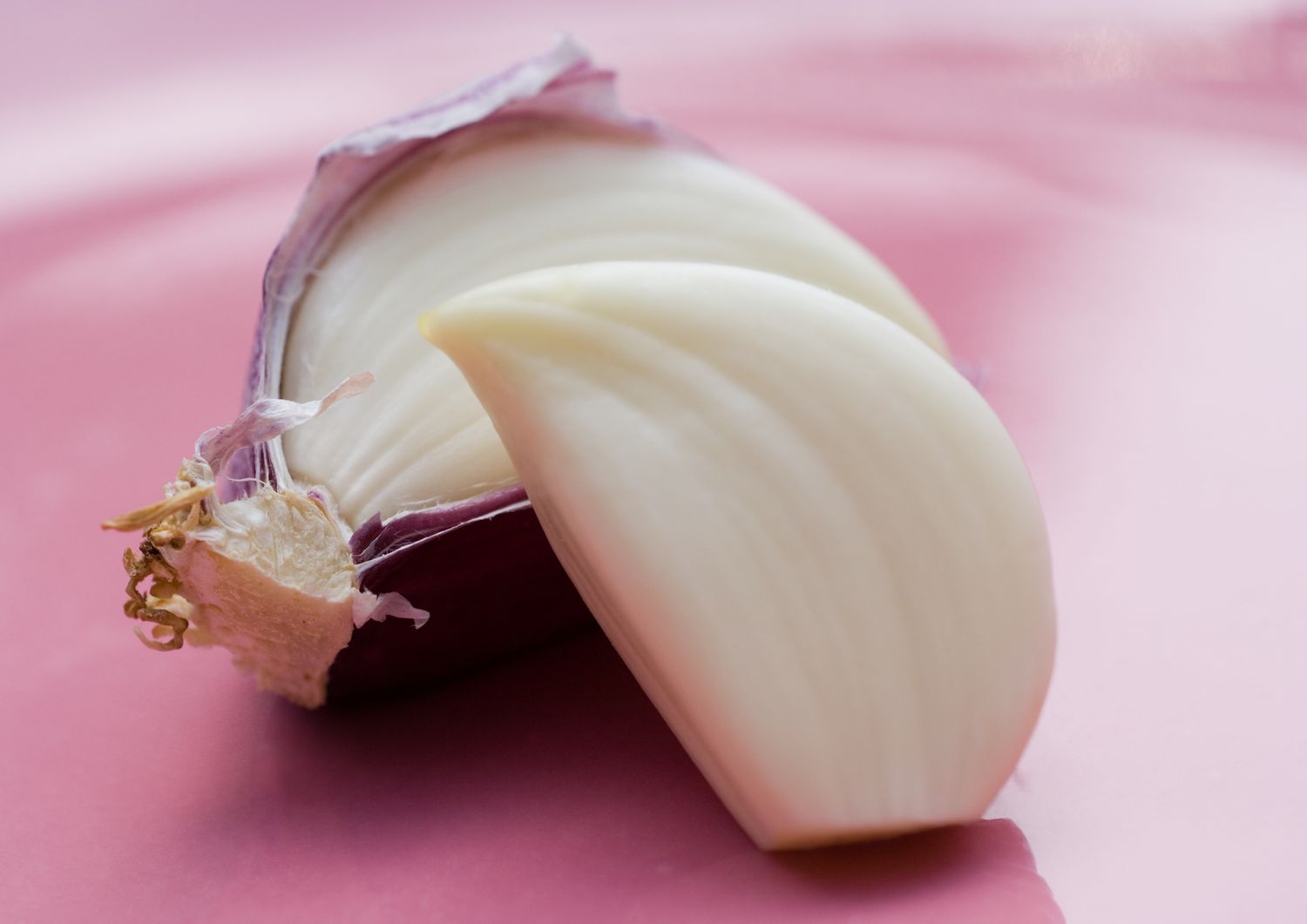
Skip the Struggle: Easy Garlic Peeling Methods for Less Mess
Garlic. It's the aromatic backbone of countless cuisines, transforming bland dishes into flavorful masterpieces. From the fragrant sizzle of a stir-fry to the deep warmth of a slow-cooked stew, garlic adds an unmistakable punch. But let's be honest, the joy of cooking with garlic often hits a snag at one particular point: peeling. The thin, papery skins cling stubbornly, sticking to your fingers, making prep feel like a tedious chore. This common frustration leads many home cooks to ask: how to easily peel garlic cloves without the fuss? The good news is that banishing garlic peeling woes is entirely achievable. You don't need fancy gadgets or culinary superpowers. With a few simple, tried-and-true techniques, you can transform this sticky task into a swift and satisfying part of your cooking routine. Whether you need just one clove for a quick meal or a whole head for a big batch of sauce, these methods will help you get to the good stuff – the pungent, delicious cloves – with minimal mess and maximum efficiency.Understanding the Science: Why Garlic Peels (or Doesn't)
Before diving into the "how," it's helpful to understand the "why." Peeling garlic is fundamentally about one thing: separating the papery skin from the firm, aromatic clove. This bond can feel incredibly strong, especially with fresh garlic. But there's a science behind why some garlic is easier to peel than others, and knowing these principles empowers you to choose the best method for your situation. * Moisture Levels Matter: Fresh garlic cloves are plump and rich in natural moisture. This moisture helps the skin adhere tightly to the flesh. As garlic ages, it naturally dries out a little. This subtle dehydration causes the clove to shrink ever so slightly, creating a tiny gap between the clove and its skin. This gap is your best friend when it comes to easy peeling, making older garlic noticeably less stubborn. * Friction or Force Helps: Techniques that involve shaking, rolling, or smashing work by physically disrupting the bond between the skin and the clove. They leverage that tiny natural gap, or create one, allowing the skin to loosen and slip off. * Heat Expands and Releases: Applying heat, whether through a quick microwave burst or a soak in hot water, works wonders. Heat causes the natural moisture within the clove to expand slightly and then contract, effectively "steaming" the skin away. It also dries the papery layers, making them brittle and easier to crack and remove. * Surface Damage Speeds Detachment: Methods like pressing or crushing deliberately break the integrity of the garlic skin. This cracking action severs the tight connection, allowing you to peel away larger pieces of skin instead of frustrating, tiny shreds. Understanding these principles allows you to choose the most effective approach. For instance, if you're dealing with super-fresh, tight-skinned garlic, force or heat might be your best bet. If your garlic has dried out a little, even a gentle press might be all it needs. For a deeper dive into these mechanisms, you might find Unlock Effortless Garlic Peeling: Principles & Top Techniques particularly insightful.Choosing and Storing Garlic for Easier Peeling
The journey to effortless garlic peeling actually begins at the grocery store. Selecting good quality garlic and storing it properly can significantly impact how easily it peels. * Look for Plumpness: Choose garlic bulbs that feel firm and heavy for their size. The individual cloves should feel robust, not soft or shriveled. * Inspect the Skin: The outer skin of the bulb should be dry, papery, and intact. Avoid bulbs with green sprouts (a sign of aging), brown spots, or mold. * Proper Storage is Key: Store unpeeled garlic bulbs in a cool, dark, and well-ventilated place, like a pantry or a mesh bag. Avoid refrigerating garlic, as the cold and humidity can encourage sprouting and mold, shortening its shelf life and making it harder to peel. Good garlic not only tastes better but will also surrender its skin with less resistance, saving you time and effort in the kitchen.Effortless Peeling Methods: Tried and True Techniques
Now that we understand the 'why' and how to select the best garlic, let's explore the practical methods for how to easily peel garlic cloves.1. The Classic Knife Smash
This is perhaps the most common and quickest method, especially when you only need a few cloves. It's incredibly satisfying and effective.- Separate the Cloves: Start by gently twisting or pressing the entire garlic bulb with your palm to loosen and separate the individual cloves from the main head. You can also carefully use the tip of a knife to pry them apart.
- Position the Clove: Place an unpeeled garlic clove flat on a sturdy cutting board.
- Apply Pressure: Lay the flat side of a chef’s knife directly on top of the clove.
- Smash and Peel: With a firm, swift smack of your palm on the flat side of the knife, apply pressure to the clove. You'll hear a slight crunch. The skin will crack and loosen, often separating completely, allowing you to easily slip the clove out. Discard the papery skin.
Pro Tip: Don't be afraid to use a bit of force, but always keep your fingers clear of the knife's edge. This method might slightly bruise the garlic, which is perfect if you plan to mince or crush it anyway.
2. The Shake & Rattle (Jar or Bowl Method)
This technique is fantastic when you need to peel a whole head or multiple heads of garlic quickly and without getting your hands too sticky.- Separate Cloves: Break the entire garlic bulb into individual cloves. Don't worry about peeling them yet.
- Choose Your Container: Place all the unpeeled cloves into a sturdy, lidded container. A mason jar with a tight-fitting lid, two metal bowls fitted together, or even a large food storage container works well. Ensure there's enough room for the cloves to move freely.
- Shake Vigorously: Secure the lid tightly and shake the container vigorously for 15-30 seconds. The cloves will bang against each other and the sides of the container, creating friction that loosens and removes the skins.
- Retrieve and Finish: Open the container. Most of the skins will have fallen off, leaving you with perfectly peeled cloves. For any stubborn ones, a quick flick or a gentle rub will do the trick.
Insight: The key here is the friction and collision. The harder and more consistently you shake, the more effective this method will be. This is a great trick for batch cooking!
3. The Warm Embrace (Heat and Water Methods)
These methods leverage the power of heat to relax the skin and make it easy to remove. They are particularly useful for very fresh garlic with tightly adhering skins.Microwave Method:
- Separate and Microwave: Break off the desired number of cloves from the bulb.
- Heat Briefly: Place the unpeeled cloves on a microwave-safe plate. Microwave on high for 5-10 seconds. The exact time can vary based on your microwave's wattage and the number of cloves, so start low.
- Peel with Ease: The heat will cause the skins to dry and loosen, making them incredibly easy to slip off with your fingers.
Caution: Be careful not to overcook, as this can start to cook the garlic and alter its flavor. Just a quick burst is all you need.
Hot Water Soak Method:
- Separate and Soak: Separate your garlic cloves. Place them in a bowl and pour hot (not boiling) water over them, ensuring they are fully submerged.
- Wait: Let them soak for about 1-2 minutes.
- Drain and Peel: Drain the water. The skins will be noticeably softer and easier to remove, often slipping right off with minimal effort.
Benefit: This method is gentler than smashing and ensures the garlic remains raw and crisp. It's excellent if you're concerned about bruising the cloves.
4. The "Roll with It" Method
Sometimes, a gentler approach is all that's needed, especially if your garlic is already a little older and dryer. This method works well for individual cloves.- Place the Clove: Lay an unpeeled garlic clove on a clean, flat surface, such as a cutting board or countertop.
- Apply Gentle Pressure: Place the palm of your hand flat over the clove.
- Roll and Press: Roll the clove back and forth firmly under your palm for 5-10 seconds. The pressure and friction will cause the skin to crack and loosen.
- Peel Away: The skin should now be easy to pull off in larger pieces.
Why it works: This method combines gentle friction with slight surface damage, weakening the bond between the skin and the clove without needing a heavy impact. For more quick tips on seamless preparation, refer to Master Easy Garlic Peeling: Quick Methods for Hassle-Free Cooking.
